Bullying, Social Media, and Student Mental Health: What Parents Need to Know
How Seven Counties Services School-Based Services Team Helps Students Navigate Today’s Challenges
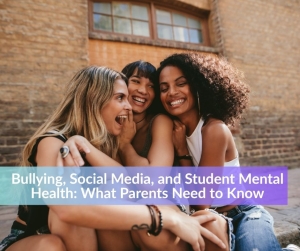
Today’s students are growing up in a world that looks very different than that of their parents. Bullying certainly is not new; however, with social media and the digital age in the mix, it can seem constant. While social media offers opportunities for connection and self-expression, it can also expose children and teens to cyberbullying, unrealistic comparisons, peer pressure, and “around-the-clock” social expectations. Combined with traditional forms of bullying, these challenges can have a significant impact on a student’s mental health, emotional well-being, and academic success.
The Seven Counties Services School-Based Services Team understands how difficult it can be for parents to recognize when their child is struggling and where to turn for help. We help students access behavioral health support in a place that is familiar, comfortable, and convenient – their school.
The Connection Between Bullying and Mental Health
Bullying has always been a concern for parents and educators, but its effects can be far-reaching. Students who experience bullying may struggle with:
- Anxiety
- Depression
- Low self-esteem
- Social withdrawal
- Difficulty concentrating
- Declining academic performance
- School avoidance
- Feelings of hopelessness
Bullying can occur in person, online, or both. Unfortunately, many children are reluctant to talk about what they are experiencing because they are embarrassed, afraid of retaliation, or making the situation worse.
Parents may notice warning signs such as sudden mood swings, loss of interest in activities, unexplained physical complaints, declining grades, or reluctance to attend school. Recognizing these signs early can help students receive support before challenges become more serious.
How Social Media Can Amplify the Problem
Unlike traditional bullying, cyberbullying doesn’t end when the school day is over. Social media, texting apps, gaming platforms, and other digital spaces can make negative interactions feel constant and unavoidable.
Students today may face hurtful comments or messages, public humiliation online, social exclusion, pressure to gain likes, followers or approval. They may also be exposed to unrealistic standards and comparisons as well as Fear of Missing Out (FOMO).
Many young people feel pressure to maintain a positive online image, which can contribute to stress, anxiety, and feelings of inadequacy. When negative online experiences occur, students may carry those emotions into the classroom, affecting their focus, relationships, academic performance, and overall well-being.
Why Early Support Matters
Mental health concerns can affect nearly every aspect of a student’s life. When emotional challenges go unaddressed, students may struggle to learn, engage with friends, and participate fully in school.
The Seven Counties Services School-Based Services Team can provide support when students need it most. Research consistently shows that early intervention helps children develop healthy coping skills, build resilience, and address concerns before they get worse.
What Parents Can Do
Keep Communication Open
Create opportunities for regular conversations about friendships, school experiences, and online activity. Listen without judgment and encourage your child to share concerns.
Monitor Digital Activity
Maintain age-appropriate awareness of your child’s social media use, gaming activity, and online interactions. Discuss responsible online behavior and digital safety.
Watch for Changes
Pay attention to changes in sleep, appetite, mood, academic performance, or social engagement that may indicate emotional distress.
Encourage Healthy Coping Skills
Help children balance screen time with physical activity, hobbies, family interactions, and face-to-face social connections.
How Seven Counties Services School-Based Services Can Help
Our School-Based Services Team helps reduce barriers to care while creating opportunities for collaboration among families, educators, and behavioral health professionals. Services include:
- Individual counseling
- Group counseling
- Behavioral health assessments
- Crisis intervention and support
- Collaboration with school staff and families
- Connections to additional community resources
Our specially trained professionals work with students to develop healthy coping strategies, improve emotional regulation, build confidence, strengthen relationships, and navigate challenges both in and out of the classroom.
With the right support, children and teens can develop the skills they need to handle challenges, build healthy relationships, and thrive academically and emotionally. Bullying and social media pressures are part of the daily experience for many students. We want to help so no child feels alone.
Call us at 502-589-1100 or schedule an appointment.
If your child or a child in your care is in immediate crisis, call or text 988, the 24/7 Suicide & Crisis Lifeline.
Reviewed by Courtney Potts, LPCC, division director, Child & Family East Administration