How Gratitude Can Improve Your Mood and Mental Well-Being
As Thanksgiving approaches, life can feel especially busy. Between work, school, family responsibilities, and holiday preparations, it’s easy to focus on stress and everything still left to do. Taking a moment to notice the good things in your life can make a real difference.

Practicing gratitude, or taking time to appreciate what you have, can help improve your mood, reduce stress, and support your overall mental health. At Seven Counties Services, we encourage healthy habits that help people build emotional well-being, and gratitude is one of the easiest places to start.
What Is Gratitude?
Gratitude means recognizing and appreciating the positive things in your life. These moments do not have to be big or life-changing. It could be enjoying a warm cup of coffee, hearing from a friend, spending time with family, or finding a quiet moment during a busy day.
Being grateful does not mean ignoring challenges or pretending everything is perfect. It means making space to notice the good things that exist alongside life’s difficulties.
How Can Gratitude Help Mental Health?
When we focus only on our worries, problems, or disappointments, it can affect how we feel. Gratitude helps shift our attention toward positive experiences, even during difficult times. Practicing gratitude may help improve your mood, reduce stress, increase optimism, strengthen relationships, and help you feel more connected to others.
Over time, these benefits can help build resilience and support emotional well-being.
5 Simple Ways to Practice Gratitude Every Day
Start Your Day with a Positive Thought
Before you get out of bed, think of one thing you are thankful for. It could be a person you care about, your health, or an opportunity waiting for you that day.
Say Thank You
A thank-you can brighten someone’s day and your own. Consider sending a text, making a call, or writing a note to someone who has made a difference in your life.
Notice the Small Things
Look for everyday moments that bring you joy, such as a good meal, a laugh with a friend, a beautiful sunset, or time spent outdoors.
Pause Before a Meal
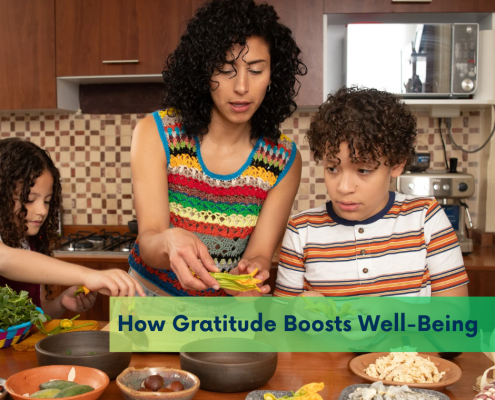
As you gather around the table this Thanksgiving, take a moment to appreciate the people, effort, and resources that made the meal possible.
Keep a Gratitude Journal
One of the easiest ways to make gratitude a habit is by keeping a gratitude journal, a place where you write down things you are thankful for each day. You can use a notebook, a journal, or even the notes app on your phone.
Try writing down three things you are grateful for every day. Some days you may celebrate big accomplishments. Other days you may find gratitude in small victories or simple moments. Over time, looking back through your journal can remind you of the good experiences you’ve had and help you maintain perspective during challenging times.
Make Gratitude Part of Your Daily Routine
Like any healthy habit, gratitude takes practice. Some days it may feel easy, while other days it may feel more difficult. That’s okay.
The goal is not perfection. The goal is to take a few moments each day to notice what you appreciate. Whether you write in a journal, share kind words with others, or quietly reflect on the positive things in your life, these small actions can have a lasting impact on your mental and emotional well-being.
Take the First Step Toward Better Mental Health
While gratitude can be a helpful tool, it is not a substitute for professional mental health care. If stress, anxiety, depression, or other emotional challenges are affecting your daily life, Seven Counties Services can help.
You are not alone. You are worth it.
To learn more, call 502-589-1100 or schedule an appointment. If you or someone you know needs immediate help, call, text, or chat 988, the 24/7 Crisis Lifeline.
Reviewed by Natalie Kelly, LCSW, Vice President of Strategic and Grant Initiatives and Privacy Officer, 11/2/2026