Co-Occurring Disorders: Why Treating Mental Health and Addiction Together Matters
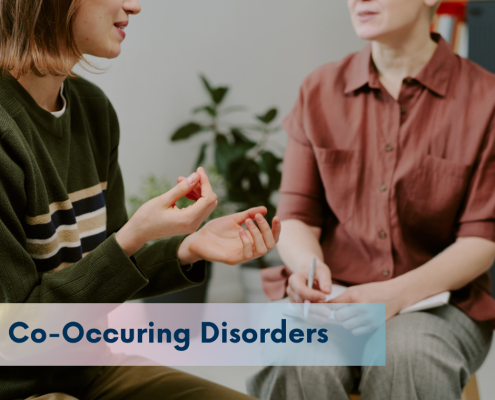
Many people face challenges with their mental health. Others struggle with alcohol or drug use. Often, both are happening at the same time. In addition, people with developmental/intellectual disabilities may also experience behavioral challenges. This is called co-occurring. Examples include:
• Depression and alcohol misuse
• Symptoms of anxiety and opioid use disorder
• PTSD and cannabis use disorder, moderate
• Bipolar disorder and substance use disorder, severe
Living with co-occurring disorders can feel overwhelming. A person may be dealing with depression, anxiety, PTSD, or another mental health condition while also trying to manage a substance use disorder. The good news is that help is available, and recovery is possible.
At Seven Counties Services we focus on the whole person. Our team works with people to treat both conditions together through integrated care.
Sometimes people use alcohol or drugs to cope with difficult emotions or symptoms. In other cases, substance use can make mental health symptoms worse. Because the two conditions are often connected, treating only one may not fully address the person’s needs.
What are the Signs and Symptoms?
Common warning signs may include:
• Feeling sad, anxious, or worried most of the time
• Having large mood swings
• Losing interest in activities once enjoyed
• Pulling away from family and friends
• Using alcohol or drugs more often
• Trouble at work, school, or home
• Difficulty stopping substance use despite negative consequences
If these signs sound familiar, reaching out for professional help can be an important first step toward recovery.
Can You Describe the Benefits of Integrated Care?
Integrated treatment means addressing mental health and substance use disorders at the same time. This approach helps providers see the full picture of what a person is experiencing and allows clients to fully share what challenges they are facing. Some of the benefits include:
Better Coordination of Care
Instead of seeing separate providers who may not communicate with one another, clients receive care from a team that works together. This can help make treatment more effective and easier to navigate.
Improved Recovery Outcomes
When both conditions are treated together, clients can learn healthier coping skills while also addressing the root causes of their substance use/misuse. This can support long-term recovery and overall wellness.
Personalized Support
Every person’s recovery journey is different. Integrated treatment allows care teams to create individualized treatment plans based on each client’s needs, goals, strengths, and challenges.
Whole-Person Care
Mental health, physical health, relationships, and recovery are all connected. Integrated treatment works to support all areas of a person’s life rather than focusing on a single issue.
How Can Families Help?
Families often play an important role in recovery. While loved ones cannot “fix” their loved one’s mental health and substance related challenges, they can provide encouragement and support. Here are a few ways families can help:
Learn About Co-Occurring Disorders
Education can help family members better understand what their loved one is experiencing. Learning about mental health and addiction can reduce stigma and improve communication.
Encourage Treatment
Seeking treatment can be difficult. Family members can encourage loved ones to attend appointments, follow treatment recommendations, and stay connected with their support team.
Practice Patience
Recovery is a journey, not a single event. There may be good days and difficult days. Offering patience, understanding, and encouragement can make a meaningful difference.
Families Can Support Healthy Habits
Families can encourage healthy routines such as regular sleep, balanced meals, physical activity, and participation in positive social activities. Supporting someone facing co-occurring mental health and substance related challenges can be stressful. It’s helpful for family members and loved ones to remember to take care of their own mental and physical health, seek support when needed, and set healthy boundaries.
Recovery Is Possible
People living with co-occurring disorders often face unique challenges, but they do not have to face them alone. With the right support, treatment, and resources, individuals can make progress toward recovery and improved well-being.
Seven Counties Services provides compassionate, mental health and addiction recovery services designed to meet people where they are. Through integrated treatment, personalized care, and ongoing support, individuals and families can find hope and build a healthier future together.
We want to help. You are not alone.
Call us at 502-589-1100 or schedule an appointment.
If you or someone you love is in immediate crisis, call text, or chat 988, the 24/7 Crisis Lifeline.
Reviewed by Natalie Kelly, LCSW, privacy officer and vice president, Strategic and Grant Initiatives, on 9/30/2026.