Starting the Year with Mental Wellness: A Practical Guide for 2026
The new year often feels like a clean slate, full of excitement for a “fresh start.” However, this can lead to pressure to overhaul our lives with ambitious New Year’s resolutions, leaving us burnt out by February.
What if we approached it differently this year? Instead of drastic goals, let’s focus on our mental wellness.
Consider this as a potential roadmap for 2026. We’re not after grand gestures or major overhauls but rather building mental strength and prioritizing emotional well-being through small, sustainable actions that feel good.
Mental Wellness vs. Mental Health: A Key Distinction
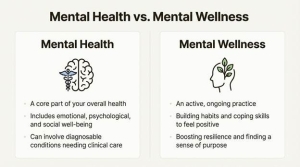
First, let’s clear something up. People often use “mental wellness” and “mental health” as if they’re the same thing, but knowing the difference can really change how you see your own well-being.
Why does this distinction matter so much? It shifts the focus from just avoiding or “fixing” a problem to proactively creating a life with more joy, connection, and balance. It empowers you to take small, meaningful steps every single day.
Reflecting and Establishing Intentions: The Foundation for a New Year
Before we jump into building new habits, it’s important to lay a good foundation. This means taking a moment to look back, then setting a gentle course for the future, free from the pressure of traditional goal-setting.
How to Reflect on the Past Year with Self-Compassion
Looking back at the previous year isn’t about judging yourself or listing everything that went wrong. It’s about understanding your journey with kindness. The goal is to honor everything you went through, acknowledging both the tough moments and the times you grew.
Grab a journal and try using these prompts to guide your reflection. There are no right or wrong answers here.
- What moments brought me a sense of peace or joy?
- What situations felt draining, and what did I learn from them?
- When did I feel most connected to myself and others?
Choosing Intentions Over Resolutions
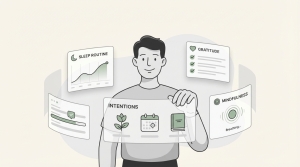
We’ve all experienced setting a rigid New Year’s resolution only to feel disheartened when we slip up. Resolutions are often strict, outcome-focused goals, such as “I will exercise every single day.” This creates a pass/fail dynamic that isn’t helpful at all.
Intentions are different. They are value-based guides for how you want to feel. An intention is more like, “I will move my body in ways that feel good.” It emphasizes flexibility, a process-oriented approach, and alignment with your values. It’s about the journey rather than the destination.
To set your own intentions, think about the core values you want to guide your year. Is it rest? Connection? Creativity? Joy? Once you identify a value, you can build an intention around it. For example, if your value is “connection,” your intention might be “I will nurture my relationships by being more present with the people I care about.” This gives you a gentle direction without the rigidity of a strict rule.
Establishing Routines that Ground You
Consistency is your friend when it comes to mental wellness. Routines create a sense of stability and reduce decision fatigue, freeing up mental energy for more important tasks. According to the NIMH, simple self-care habits can make a huge difference. You don’t need a complicated schedule, just a few nourishing touchpoints in your day.
- Get regular exercise. This doesn’t have to mean spending two hours in the gym. A simple 30-minute walk each day is a fantastic way to boost your mood and clear your head.
- Make sleep a priority. Try to stick to a consistent sleep schedule, even on weekends. A well-rested brain is a stronger brain.
- Practice gratitude. Take a moment each day to reflect on a few things you’re grateful for. It can be as simple as the taste of your morning coffee or a nice text from a friend.
Strengthening Your Support System and Setting Boundaries
We weren’t meant to live life alone. Connection is vital for mental wellness. Make it a point to intentionally nurture your support system. This could look like scheduling a weekly call with a friend, joining a local book club, or volunteering for a cause you care about.
Just as important as connection is learning to set healthy boundaries. Boundaries aren’t selfish; they are a necessary act of self-preservation that protects your energy and prevents burnout. As the NIMH recommends, learning to say “no” to new tasks when you feel overcommitted is an important skill.
Setting boundaries might feel uncomfortable at first, but it’s one of the most compassionate things you can do for yourself.
When to Seek Professional Support
All the self-care strategies in the world are powerful, but sometimes, they aren’t enough on their own. Consulting a professional indicates incredible strength and self-awareness.
So, how do you know when it might be time to take that step? Here are a few signs that professional support could be beneficial:
- You’re experiencing excessive fear, worrying, or extreme sadness that just doesn’t seem to lift.
- Your mood is getting in the way of your work, your relationships, or your ability to get through the day.
- You find yourself relying on unhealthy coping mechanisms, like overusing alcohol or other substances.
- You’ve lost interest in things you once enjoyed or feel completely unable to handle daily stress.
Your Journey to Wellness in 2026
Starting the year with mental wellness isn’t about achieving perfection. It’s about intention over resolution; it’s an ongoing journey, not a destination you arrive at.
Remember that every small, gentle step you take to honor your emotional well-being is a victory. You have the tools and the inner strength to build a more balanced, resilient, and supportive year for yourself.
If you want to talk to someone about your mental health, Seven Counties Services has caring and compassionate professionals available to listen and provide support. You can request an appointment online or call us at (502) 589-1100.