When School Stress Becomes More Serious: Signs Your Child May Need Mental Health Support
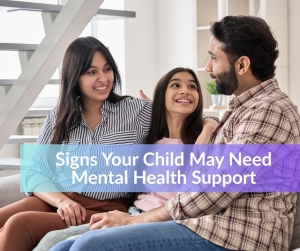 While school can be an exciting place for children to learn, grow, and build friendships, many feel significant stress because of increasing academic demands, social pressures, extracurricular commitments, and concerns about the future. Ongoing or overwhelming stress can affect a child’s mental health and overall well-being.
As parents and caregivers, it’s important to recognize the difference between typical school-related stress and signs that may indicate a child needs additional mental health support.
When Stress Becomes Concerning
Mental health concerns may arise when stress persists for weeks or months, begins interfering with daily functioning, or causes significant emotional distress. If your child seems unable to cope despite support and reassurance, it may be time to take a closer look. Watch for:
1. Significant Changes in Mood
Children struggling with their mental health may experience noticeable mood changes including persistent sadness or tearfulness, increased irritability or anger, frequent emotional outbursts, feelings of hopelessness, and loss of interest in activities they once enjoyed. While mood swings are common, especially among teenagers, prolonged emotional changes can signal something more serious.
2. Increased Anxiety About School
Students may worry before a test or presentation; however, some children are so anxious they may refuse to go to school. Others constantly worry about grades or performance, complain frequently about school, and are afraid to make mistakes.
3. Physical Complaints Without a Clear Medical Cause
Mental health challenges often show up physically. Be aware of frequent complaints such as headaches, stomachaches, fatigue, muscle tension, and trouble sleeping. If a trip to the doctor doesn’t identify a physical cause, stress and anxiety may be contributing factors.
4. Changes in Academic Performance
A sudden drop in grades or difficulty keeping up with schoolwork can be a sign that a child is struggling. Look closer if your child is missing assignments, has difficulty concentrating, and seems to put things off more often than usual. Mental health concerns can make it difficult for students to focus, retain information, and complete tasks.
5. Social Withdrawal
Children experiencing emotional distress may begin pulling away from friends and family members. Signs may include spending excessive time alone, avoiding social events, less communication with family, and loss of interest in once loved hobbies or sports. Isolation can make mental health challenges worse.
6. Changes in Eating or Sleeping Habits
Pay attention if your child has difficulty falling asleep or is sleeping more or less than usual. Also look for changes in appetite, rapid weight gain or loss, and frequent nightmares.
7. Increased Self-Criticism
Many high-achieving students place enormous pressure on themselves. Persistent negative self-talk can signal that your child is facing mental health challenges.
How Parents Can Help
If you notice concerning signs, start by creating a safe space for conversation, listen without judgement and validate your child’s feelings. Also, just as you have to take care of yourself to function at home and at work, encourage habits that support mental wellness for your child such as consistent sleep schedules. regular physical activity, healthy nutrition, time for relaxation and recreation, and screen-time rules.
Reach out – Seven Counties Services and Your School Family Can Help
If you’re doing all you can to support your child and symptoms seem to persist over time, Seven Counties Services School-Based Services Team can help. We partner with educators and family resource coordinators to care for children in the classroom. Early intervention can make a meaningful difference. We can provide assessments, coping strategies, therapy, and family support tailored to your child’s specific needs.
You’re not alone. Your child is not alone. We can help.
Call us at 502-589-1100 or schedule an appointment.
If your child or a child in your care is in immediate crisis, call or text 988, the 24/7 Suicide & Crisis Lifeline.
Reviewed by Courtney Potts, LPCC, division director, Child & Family East Administration