When It Comes to Youth Substance Use, Early Intervention Can Change Everything
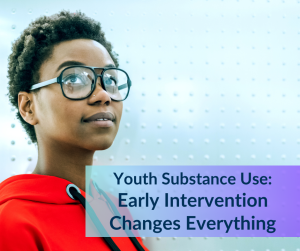
Seven Counties Services can help your child this summer
As a parent or caregiver, it can be difficult to know what to do if you suspect your child may be using substances like alcohol, marijuana, nicotine, or other drugs. You may feel overwhelmed, unsure where to start, or worried about saying the “wrong” thing.
If you’re concerned, the most important step is to simply reach out. In fact, research consistently shows that early intervention leads to better outcomes, especially when families are involved. You’re not alone, and here in Kentucky, substance use among youth is something many families are navigating:
• In schools across the state, there were more than 20,000 reported incidents involving drugs, alcohol, or tobacco in a single year, with nicotine/vaping making up nearly 67% of those events.
• In Jefferson County alone, more than half of 12th graders (52%) say alcohol would be easy to access, highlighting how available substances can be obtained locally.
• Emergency room visits related to vaping among youth have increased significantly across Kentucky in recent years, a signal of growing health impacts tied to substance use
• Seven Counties Services substance use disorder professionals are seeing an increase in youth overdosing on Benadryl. The resurgence of the “Benadryl Challenge” on TikTok is creating a dangerous trend encouraging teens to take excessive amounts of Benadryl to experience hallucinations.
Why Summer Months Matter
Summer can increase risk for youth substance due to:
• Less structure and supervision
• Increased social time with peers
• Later bedtimes and fewer routines
• Greater access to substances at gatherings
Common Risk Factors to Watch For
• Changes in mood, behavior, or friend groups
• Increased secrecy or withdrawal
• Mental health concerns (anxiety, depression, distress)
• Early experimentation with vaping or alcohol
Youth experiencing psychological distress are significantly more likely to use substances, reinforcing the need for early support.
Support That Meets Young People Where They Are
At Seven Counties Services, we believe in meeting young people where they are and helping them take meaningful steps toward healthier choices without judgment. Our Youth Substance Use Disorder Outpatient Program focuses on guidance, connection, harm reduction, and real-life skills, not punishment or shame.
We support youth and young adults ages 11 to 25 who may be using substances such as marijuana or THC, vapes or nicotine, alcohol, opiates, or other drugs. When you connect with Seven Counties Services, you’re accessing these comprehensive services provided by a caring team of counselors and a psychiatrist that partners with you:
• Individual and Family Therapy
Counseling sessions help youth process emotions, build skills, and strengthen family relationships.
• Intensive Outpatient Program (IOP)
Our IOP offers flexible, structured support over 6–8 weeks that can be tailored to your family’s needs.
• Step-Down Care
We offer ongoing weekly support to help your child maintain progress. Youth often find support with others their age with similar shared experiences.
• Personalized Treatment Plans
Because no two families or challenges are the same, Seven Counties Services provides care that’s right for your child.
• Drug Screening
If it is necessary, our clinicians use drug screening as a supportive clinical tool, not a punishment.
It’s Not About Judgment, It’s About Growth
Many families hesitate to seek help because of stigma or fear of being judged. Our program is different. It centers on honest conversations, understanding, and helping young people build confidence to make healthier choices. Thoughtfully consider how our program can improve your child’s quality of life. The view that includes a brighter future looks good for your whole family.
Call (502) 589-1100 or schedule an appointment.
If your child or a child in your care is in crisis, call or text 988 (Suicide & Crisis Lifeline, 24/7) and ask for child crisis services.
Reviewed by Brittany Pape, LPCC, division director, Child & Family Services Acute, Downtown